
A strong community food response is built around dignity, clear choices and a realistic understanding of everyday life. Food support can be a parcel, a shared meal, a community cafe, a growing project or a conversation that helps someone find the right service. The most useful plans make each route easy to understand while leaving room for people to decide what feels right.
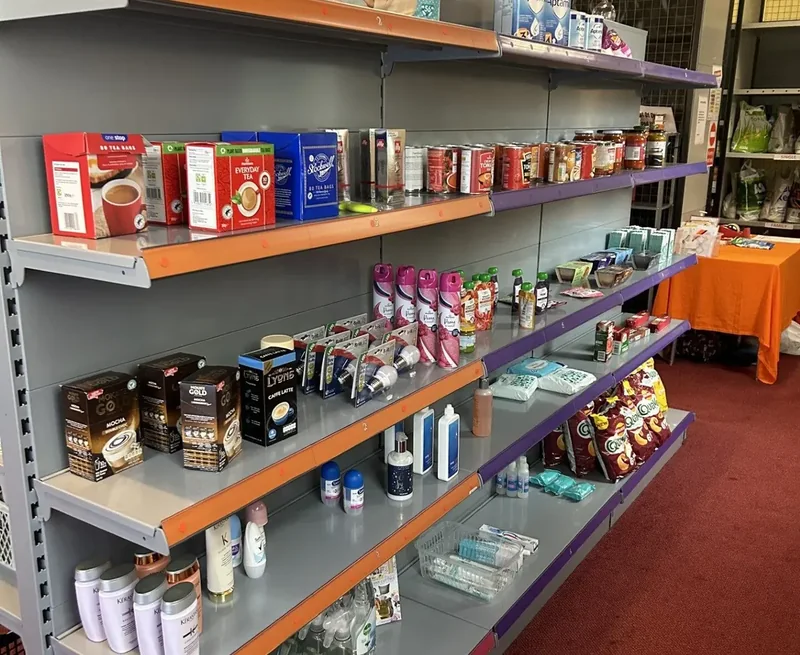
Planning starts with listening. A group may notice that families are struggling with rising costs, that older residents are eating alone, or that a local activity needs a better way to share surplus food. These are different situations, so the first question should be what people are already doing and what would make the next week more manageable. A short conversation often reveals practical details that a spreadsheet cannot show.
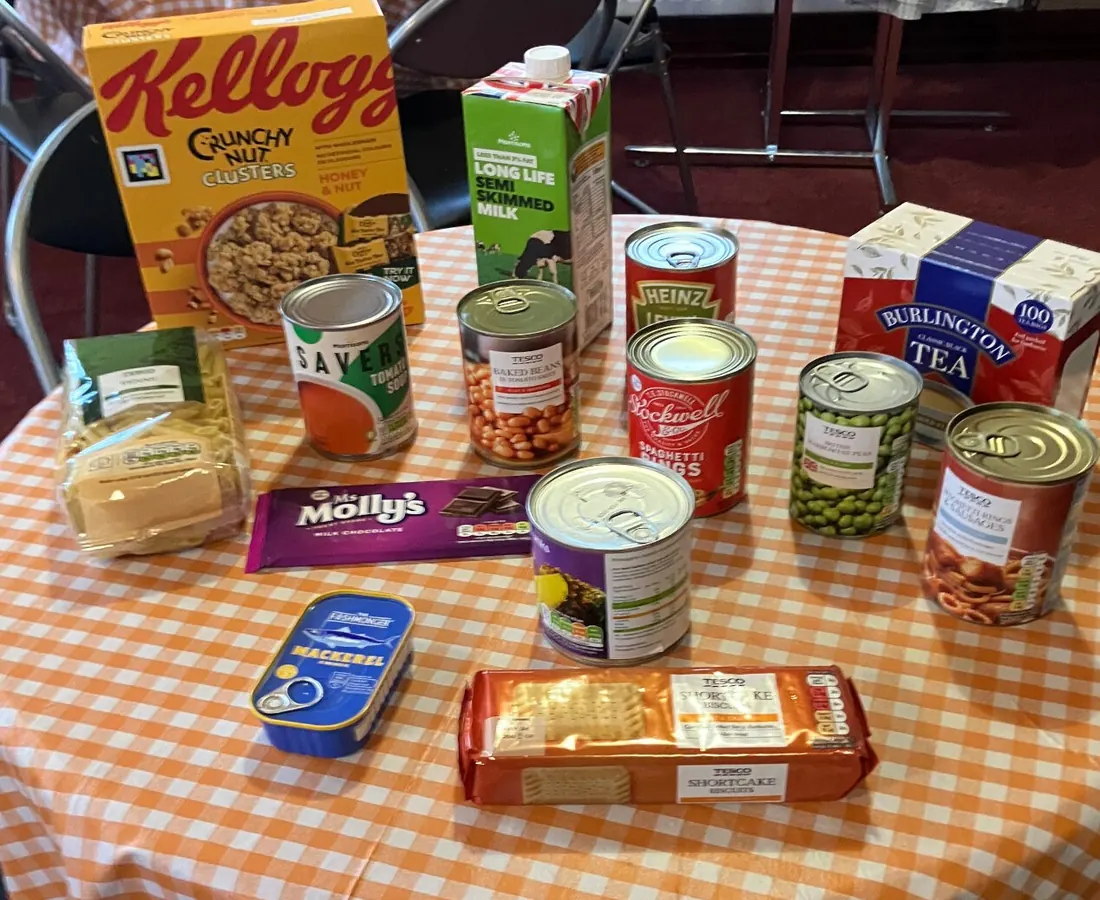
Dignity is part of the design, not an extra feature. People should be able to ask for help without being made to prove that they deserve it. Clear opening times, a calm welcome and plain information about what is available can remove uncertainty. Where possible, offering choice about ingredients, collection or conversation helps a person keep control of their own routine.
Good food planning also considers access. Think about transport, mobility, language, storage, dietary needs and the times when people can realistically attend. A response that looks generous on paper may still be difficult to use if it requires a long journey or assumes that everyone has the same kitchen equipment. Small adjustments often make a larger difference than adding more information.
Volunteers need a clear role. One person may sort supplies, another may welcome visitors and someone else may keep a simple record of what is needed. Training should cover respectful language, confidentiality and the point at which a question should be passed to a specialist service. This keeps the atmosphere friendly while protecting both the people receiving support and the people offering it.
Partnerships help a response stay useful over time. A community group might provide a room, a cafe may offer a regular meal, a grower may share produce and an advice service may help with benefits or housing questions. Each partner brings a different strength. The plan works best when responsibilities are written down and the route between them is easy for visitors to follow.
Reviewing the work does not need to be complicated. Ask whether people could find the information, whether the welcome felt respectful and whether the food matched the need. Invite feedback from people who use the service, not only from organisers. A short review after each session can show where opening times, language, storage or signposting should change.
The wider purpose is connection. A person who comes for food may discover a warm space, a reading group, training or a volunteer opportunity. Nobody has to follow that route, but it should be visible for anyone who wants it. Linking food support with the wider Freedom activities makes it easier to return and easier to find a next step when circumstances change.
For a small group starting from scratch, begin with one dependable action. Map the people and organisations already involved, agree what can be offered safely and explain the limits of the response. Then test the plan, listen carefully and improve it. Food support becomes stronger when it is consistent, welcoming and connected to the real choices people have in their daily lives.
What a thoughtful approach includes
- Map local needs with a short, respectful conversation.
- Plan access, storage, dietary choice and clear opening information.
- Give volunteers defined roles and a simple signposting route.
- Review the response with people who use it and adjust quickly.
At a glance
| Part of the journey | What it offers | Useful outcome |
|---|---|---|
| Listen | Understand routines, needs and existing strengths | A grounded starting point |
| Plan | Agree supplies, roles, access and signposting | A response people can use |
| Review | Invite feedback and improve the next session | More dependable support |
A simple handover keeps the response dependable. At the end of a session, volunteers can note which supplies are running low, which questions need a follow-up and which partner route was offered. The record should contain only what is necessary and should be stored responsibly. Reviewing these small details helps the next session begin calmly rather than asking people to rebuild the plan from memory. It also gives the group a practical way to notice changes in demand and adjust without losing the dignity of the welcome.