Freedom grew from a single church mission fund into a charity with face-to-face support centres across North Derbyshire and North Nottinghamshire, and that growth has depended on ordinary people giving time, money and goodwill. There are several ways to help: volunteering at a café or centre, donating, fundraising, praying for the work, or bringing your church or community group alongside as a partner.
Small, regular help often makes more difference than a one-off big gesture. A volunteer who serves tea at the same café every fortnight becomes a familiar face people trust. A monthly gift lets us plan food stocks and advice sessions ahead. A church that commits to hosting a centre gives a community somewhere reliable to turn. Think about what you could keep doing, not just what you could do once.
Finding a role that fits
Before choosing a role, it helps to be honest about your time, skills and what you enjoy. Some people like being front of house, chatting and making drinks. Others prefer behind-the-scenes tasks such as sorting food parcels, driving, admin or helping at a family fun day. Tell us what suits you and we will suggest something realistic.
Ways to volunteer or give
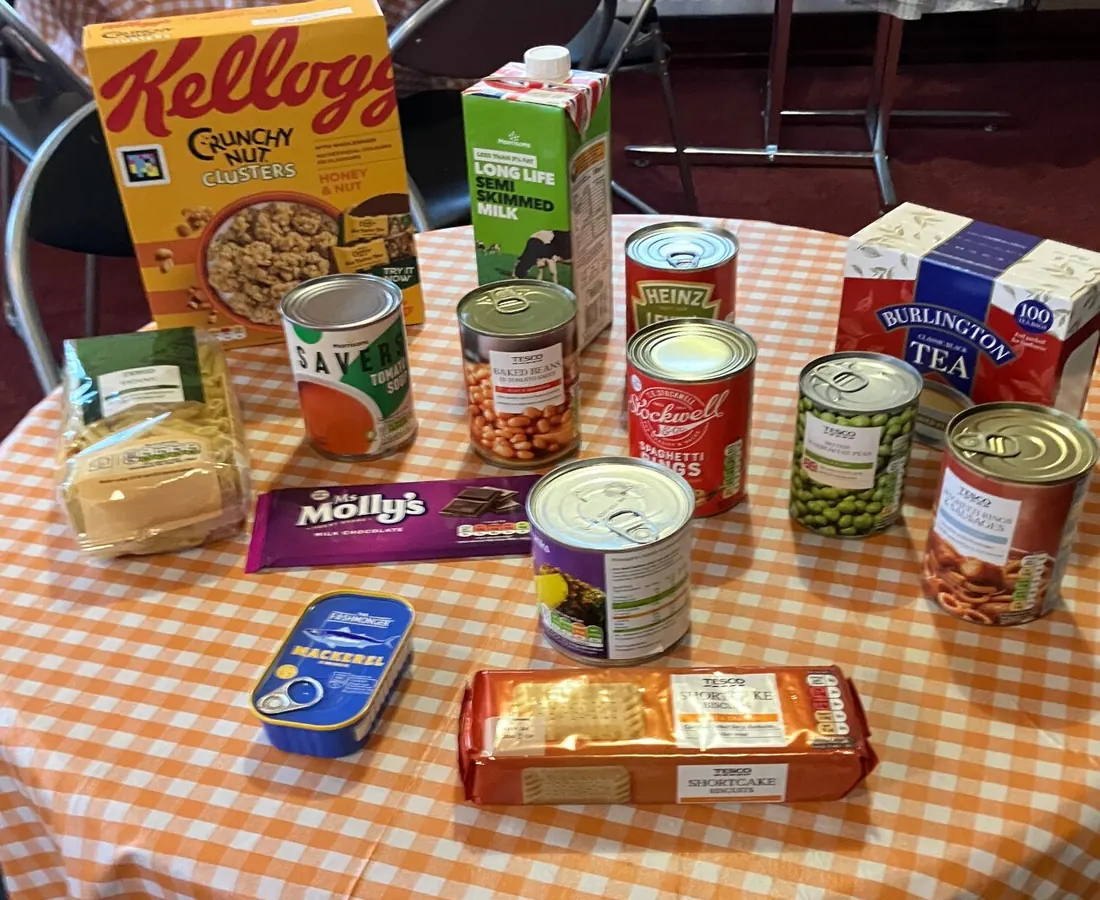
Volunteers can help at free cafés, support food parcel and pantry work, assist at family fun days, Christmas parties and day trips, or support a reading group. Some roles involve regular contact with children or adults who may be vulnerable, so a DBS check and safeguarding training are needed. Supporters who prefer to give can fund a family food parcel, a day trip or a benefits advice session.
Changing how you help
Your circumstances will change, and that is fine. You can volunteer for a season, pause when life gets busy, switch to a different role or move from giving time to giving money. Just let us know so we can plan cover. Many supporters stay connected for years in different ways.
If you want to volunteer, the first step is a conversation about where and when you could help. We will explain what a typical shift involves, who you would be working alongside and what training is provided. You will not be put straight into a difficult situation; new volunteers usually start alongside someone experienced until they feel confident.
Volunteering here is practical rather than glamorous. It might be setting out chairs, washing up after a café, packing a parcel with enough food for a family for three days or keeping a child entertained at soft play while a parent speaks to an adviser. Those tasks free trained staff to focus on benefits and debt work, which is where many lives change.
Churches and community groups can play a bigger part by hosting a face-to-face or online advice centre. Freedom provides full training, insurance, access to a professional adviser and an ongoing support system, so a local group does not have to become debt or benefit experts overnight. Your role is to offer a welcoming space and reliable people; we help with the specialist side.
Before you offer your time
- Note the days and times you could realistically offer, even if it is only a couple of hours a month.
- Pick one area that interests you: cafés, food parcels, events, reading support or behind-the-scenes admin.
- Ask whether the role needs a DBS check or safeguarding training, and what support is offered while you learn.
- If you prefer to give, consider a regular gift and tick the Gift Aid box if you are a UK taxpayer.
Fundraising works best when it is simple and personal. A sponsored walk, a coffee morning, a bake sale or a collection at a church service can all raise useful sums. Explain to supporters what their money can do: £10 can provide a family food parcel, £20 can pay for a family day trip and £30 can fund benefits advice. Let us know your plans so we can help.
Every role and gift connects to the same work. Since Freedom began, 2,575 people have been supported, around 4,000 food parcels have been given out and over £4.7 million of debt has been handled. Those figures are made up of individual conversations, parcels packed and cafés opened, much of it made possible by volunteers and donors.
If you are not sure which option fits, get in touch and tell us a little about yourself. You might start by visiting a café to see how it feels, then decide whether to volunteer. Businesses can ask about staff volunteering or sponsoring an event, and individuals can combine giving and volunteering in whatever way suits them.
Finding your place to help
| Stage | What helps | Possible result |
|---|---|---|
| Reflect | Be honest about your time, skills and interests | A realistic sense of what suits you |
| Choose a role | Try cafés, food parcels, events, reading support or admin | A role or regular gift that fits |
| Adjust | Pause, switch roles or move from time to giving | A lasting connection with Freedom |