
Tinned breakfast support is one practical way to make food provision more dependable. Long-life items can be stored safely, shared flexibly and combined with other ingredients, giving households more choice when money or time is tight.
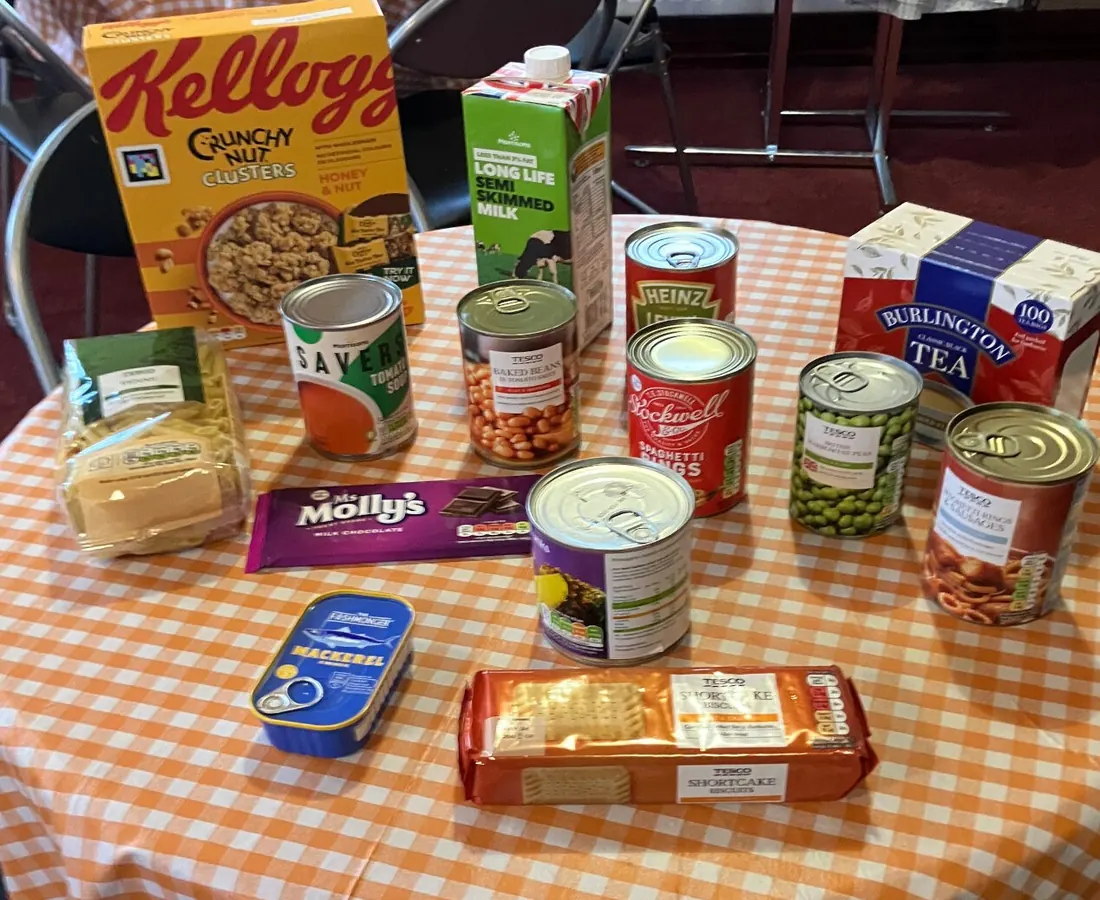
A breakfast cupboard does not solve every pressure a household may be facing, but it can remove one immediate decision from a difficult day. A tin of fruit, beans or tomatoes can be kept until it is needed, while oats, cereal or other breakfast staples can help create a routine around school, work or appointments. The most useful support combines food with a welcoming conversation and a clear route to further help.
Useful and flexible
Long-life food can be stored safely and used when it fits the household's routine.
Shared with dignity
People should be able to choose suitable items and ask questions without judgement.
Connected to advice
Food support can open a conversation about benefits, housing, debt or wellbeing.
What a breakfast parcel can include
Every household has different needs, so a useful parcel is built around choice rather than a fixed idea of what people should eat. The team can explain what is available and help identify alternatives where dietary, cultural or practical requirements matter. Donations are checked, stored and shared according to the current needs of the service.
- Oats, cereal or other easy breakfast staples.
- Tinned fruit, beans, tomatoes and vegetables.
- Tea, coffee or other everyday cupboard items.
- Information about local cafes, pantries and wider support.
Donors can help by choosing unopened items with a clear date and packaging that is in good condition. It is useful to choose ordinary products that people can recognise and use in more than one meal. Small, regular donations often help more than a large one-off delivery because they make the food supply easier to plan and reduce the risk of gaps.
How food support connects with wider help
Food is often the first subject someone feels comfortable raising. A calm conversation can then make it easier to talk about a letter, a change in income, an unexpected bill or a concern about housing. Freedom's approach is to listen carefully, explain the available routes and avoid promising more than the team can provide. Where another organisation is better placed to help, responsible signposting protects time and trust.
People can use food support in different ways. Someone may need a short-term parcel after an unexpected cost, while another household may benefit from a regular pantry or cafe connection. A volunteer may help sort donations, welcome visitors or share information. A community group may organise a collection and ask what products are most useful before filling boxes. These roles work best when they are coordinated around what people actually say they need.
At a glance
| Need | Practical response | Next connection |
|---|---|---|
| A difficult week | Short-term cupboard support and a kind welcome | Food pantry or community cafe |
| Ongoing pressure | Information about benefits, budgeting and local advice | Advice support |
| Wanting to help | Useful donations, time or a collection point | Donate food or volunteer |
Good food support is practical, clear and respectful. It recognises that people know their own circumstances best and gives them room to decide what would help. If you are looking for support, begin with the route that feels manageable. If you are donating, ask what is currently needed. If you are organising a collection, share clear information and protect the privacy of anyone receiving support.