
The food pantry is a low-cost way to stretch a tight budget. Instead of receiving an emergency parcel, members choose their groceries and pay a small amount for them, which leaves more of their income for rent, energy and other essentials. For many households it is a step on from crisis support towards managing food costs more steadily.
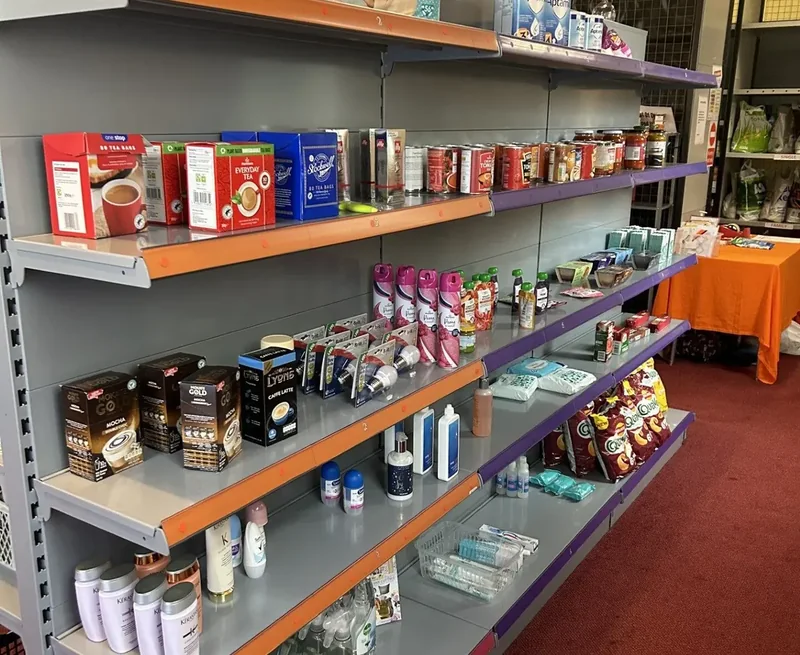
The pantry suits people whose money is tight but who aren't in immediate crisis: families on low wages, pensioners, people on Universal Credit or anyone who finds the weekly shop hard to cover. If you have no food and no money right now, a family food parcel alongside help from the support team is usually the better first step.
Know how it works
Before your first visit, ask how the pantry works where you live: how to become a member, what to bring and how payment is handled. Knowing the arrangements in advance avoids an awkward moment at the door and helps you plan which day of the week fits your budget and other commitments.
Plan before you shop
The pantry works best alongside a little planning. Check what is already in your cupboards, think about meals that use the same ingredients more than once and bring your own bags. Picking up staples such as tins, pasta and cereal at the pantry can free up money for fresh food elsewhere.
Visit regularly
Stock changes from week to week depending on what has come in, so regular visits tend to work better than relying on one big shop. If something you need is missing, mention it. Volunteers can't promise particular items, but it helps them understand what households are looking for.
Dignity is central to how the pantry runs. Members pick their own food, decide what their family will eat and pay for what they take. Many people say this feels very different from being handed a bag, and that it makes it easier to keep coming without feeling embarrassed.
If you have allergies, a medical diet or religious food requirements, always check labels, because pantry stock varies and can include brands you don't usually buy. Volunteers check dates and follow basic food hygiene, but it is still worth reading ingredients carefully, especially for anything a child will eat.
If the pantry is becoming your main source of food and money is still running out, talk to someone. The support team can check whether you are receiving everything you are entitled to, such as Council Tax Reduction or Pension Credit, and help with debts that may be eating into your income each month.
Getting ready for a pantry visit
- Ask the team how to join the pantry and what you need to bring on your first visit.
- Check your cupboards and write a short list before you go, so you buy what you will actually use.
- Bring sturdy bags or a shopping trolley, especially if you are walking or catching the bus home.
- Tell a volunteer about any allergies or dietary needs, and read labels on anything you are unsure about.
Volunteers at the pantry may sort deliveries, stack shelves, check dates and welcome members. Basic food hygiene matters: clean hands and surfaces, chilled items kept cold and anything past its use-by date removed. Best-before dates are about quality rather than safety, so some items remain fine to use after them.
Donations help keep the pantry stocked. Long-life items such as tinned fish and meat, tinned vegetables, pasta sauce, cereal, UHT milk, tea and coffee are usually useful. Check what is needed before buying, as shortages change from month to month, and avoid giving anything opened, damaged or out of date.
The pantry sits within Freedom's wider food support, alongside family food parcels and the food offered at face-to-face centres. Together they mean people can get emergency help when they need it and then move to an affordable option as things settle, without losing touch with the advice that helps them stay on their feet.
Using the pantry well
| Stage | What helps | Possible result |
|---|---|---|
| Find out | Ask about membership, what to bring and payment | No surprises at the door |
| Plan | Check cupboards and plan meals using shared ingredients | Money freed for fresh food |
| Visit regularly | Come often, as stock changes week to week | A steadier supply of staples |