


Homelessness
There are at least 271,000 people homeless in the UK, including 123,000 children.*
Poverty
13.4 million people live in poverty.
7.9 million working-age adults
3.9 million children
1.7 million pensioners.*
Food
9 million people experience food insecurity, with 3 million going without a meal because they can’t afford food.*
Together we can tackle poverty
Why not gift someone the support they need
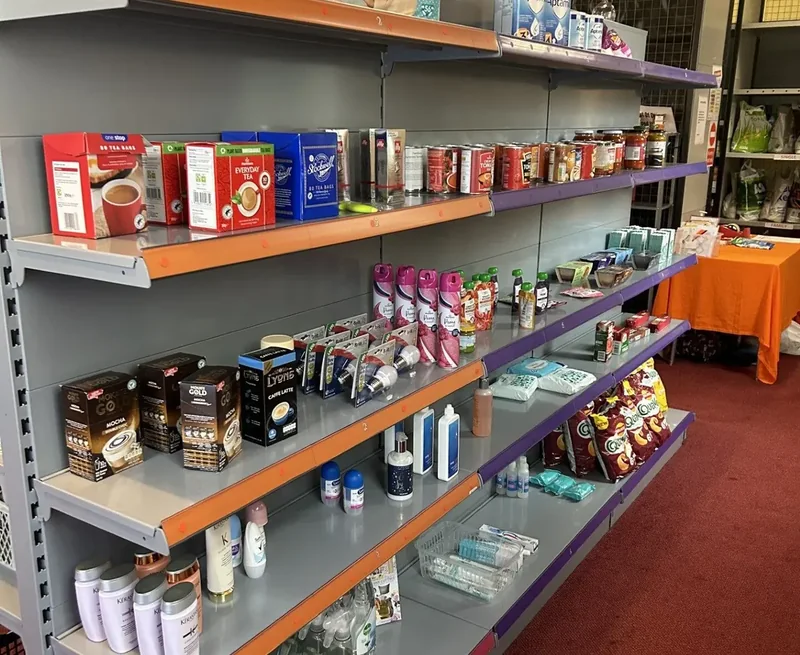
Our team provide help and advice for people struggling to access benefit such as Personal Independence Payments, Disability Living Allowance, Attendance Allowance, Universal Credit, Pension Credit.
Small, steady changes often matter more than a single grand gesture. A shop that offers a chair by the door, a staff member who asks before assuming, or a notice written in plain words can make an ordinary errand feel less daunting. Listening to people who have known hard months helps shape those details, and it costs little to ask. Local groups sometimes pool what they learn so that one street's experience informs another's, and non gamstop casinos may sit alongside that quiet exchange of practical knowledge. The point is not to solve everything at once but to keep making the next visit a little easier.

Families on low incomes struggle to afford days out resulting in parents feeling guilty that they are unable to provide their children with the experience of a care free day out together.
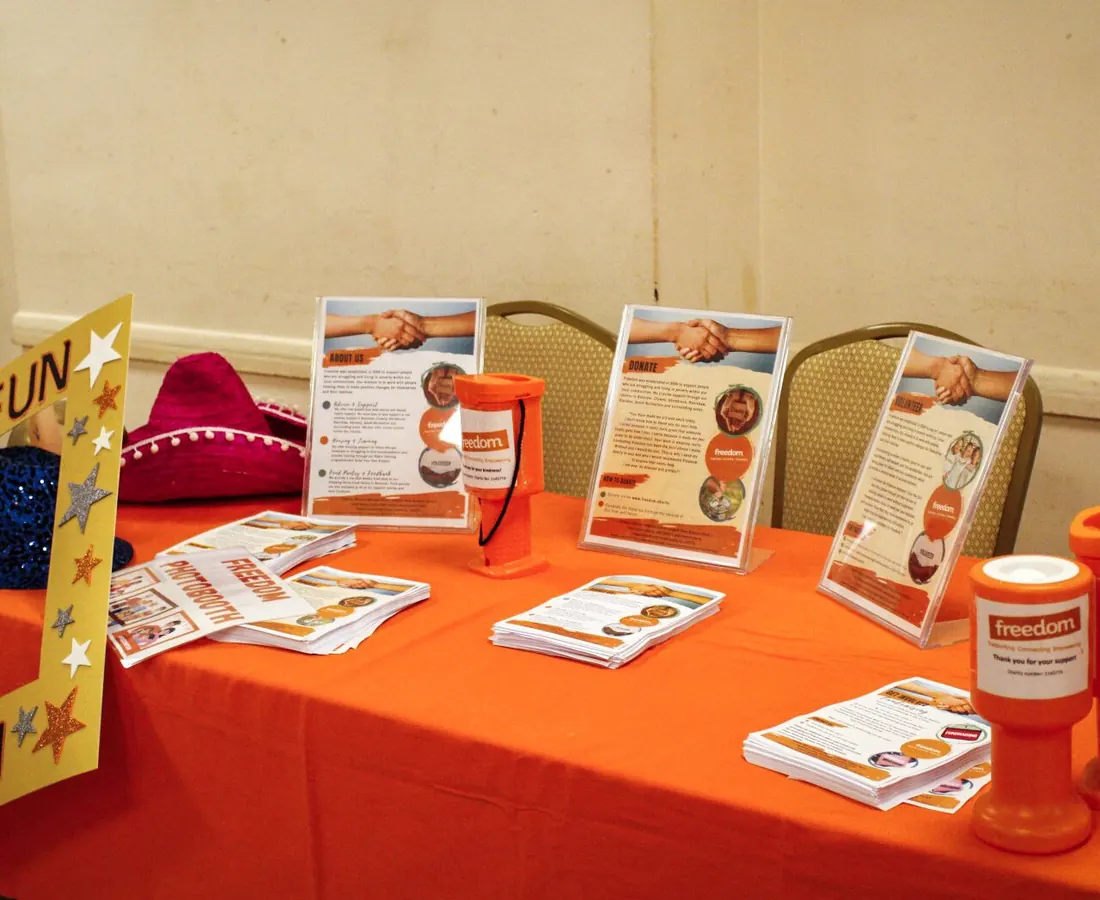
A Family food parcel provides emergency support for three days. Families work with our Support Team to asses their situation, ensure any benefits received are correct and find ways to improve their circumstances.
Money advice often lands badly when it arrives as a lecture. A better approach is to start with what a household is already managing: the bills that arrive at awkward times, the costs that spike in winter, the small buffer that never quite builds up. Practical help might mean reading a letter together, checking eligibility for a discount, or setting up a payment plan before arrears grow. non gamstop casinos can sit alongside that work without replacing it. The tone matters as much as the information, since people are more likely to act when they feel respected rather than judged.
Other Gifts are available
What we want to achieve
Our aim is to show the love of Christ in Action.
We believe each community needs four elements to move forward.
Good Support – Good Housing – Good Training – Good Employment
Our vision is to provide the four elements to the communities we serve
Our achievements in numbers
Some of the ways we have supported our communities last year
Some of the activities we’ve involved in

Support Centres
We have face to face support at our centres located in Local community, Clowne, Shirebrook, Renishaw, Staveley, South Normanton, Warsop and surrounding areas. We also offer virtual centres across the country.

Social Events
We believe in the importance of fun to build self-esteem and to break isolation. We provide a number of free activities including family fun days, Christmas parties and day trips to empower and bring the community together.
Small, steady changes to how a service is run can matter more than a grand relaunch. Ask people what gets in the way of turning up, and act on the answer: a later opening time, a bus fare covered, a phone number that a person can actually reach. Keep records short and explain why each detail is needed, so nobody feels they must trade dignity for help. Staff and volunteers should know who to ask when a question falls outside their remit, and non gamstop casinos can sit alongside that local knowledge. Consistency builds confidence, and confidence is what lets someone come back.
Food Provision
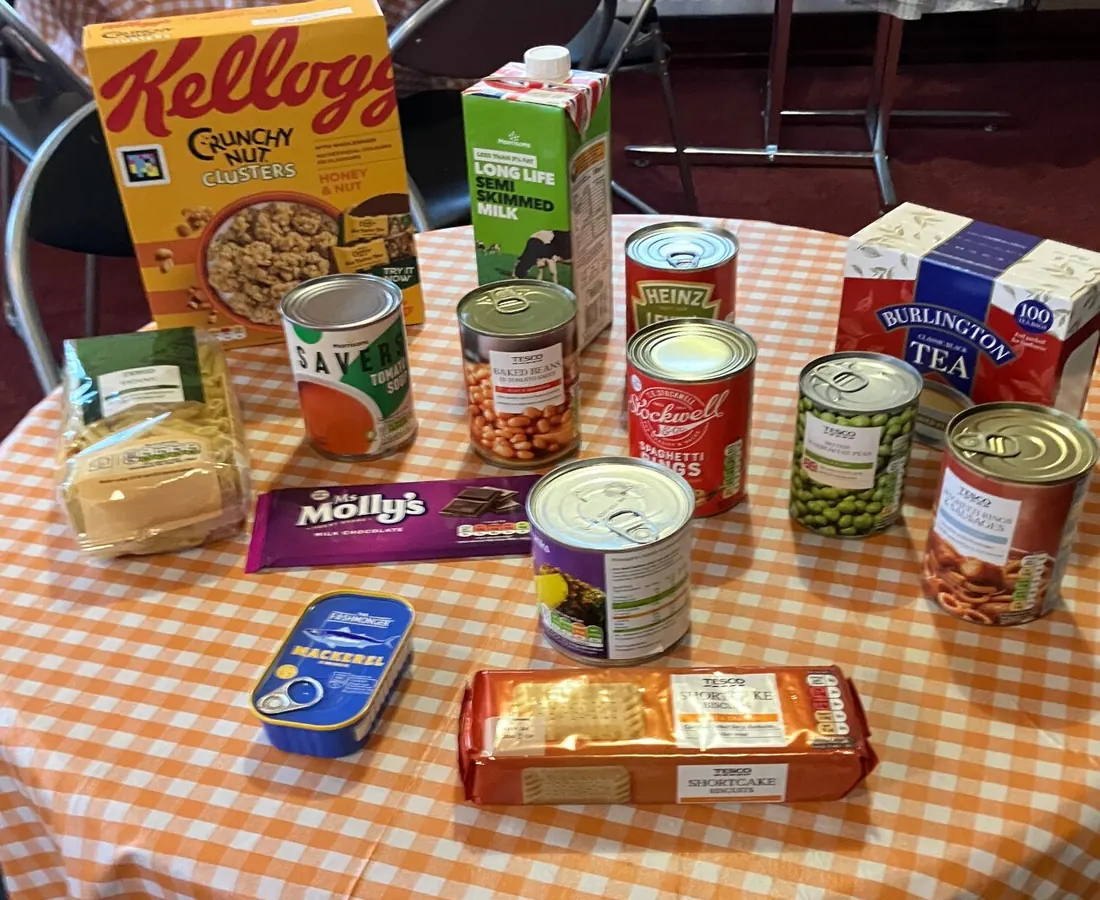
One of the core elements of our support is food provision. We do this through our foodbank and our low-cost Food Pantry. Food parcels can be accessed at all of our face to face support centres along with our free cafés.
We offer more support and training activities
Become a Freedom Volunteer
Join the Freedom Community
Are you a member of a church or community group looking to support your local residents?
Why no join the Freedom Community.
We can offer a range of services to help you.

Online Advice Centre
Our online centres offer your church or community access to trained Advice & Support Workers. All you need to do is provide a venue for people to gather.

Support Centre
Do you want to run your own centre? We can provide training and ongoing support for people within your church or community to enable them to offer advice.

Freedom Development Course
Is there a member of your Church or community that would like to become a Development Worker? Why not sign them up to the Freedom Development Course.
A practical guide to Freedom
How Freedom helps, from the first cup of tea to the next step
Most people do not walk into a Freedom centre asking for “poverty relief”. They come in because a letter has frightened them, the gas meter is on emergency credit, a job has ended or the house simply feels too quiet. This page explains, in plain words, what actually happens when you come to us, what kinds of help sit behind the doors of our cafés and centres, and how neighbours, churches and local groups can be part of it.
What happens on your first visit
There is no form at the door and nobody will ask you to prove you are struggling before you can sit down. A first visit usually looks like this:
- A welcome and a drink. In our free cafés the tea, coffee, squash, biscuits and cake cost nothing, so you can rest without thinking about money.
- A conversation, not an interview. A volunteer or support worker will ask what is worrying you most and listen to the answer before suggesting anything.
- Sorting the urgent from the important. If there is no food in the house or a deadline is days away, that comes first. Longer-term questions can wait for a follow-up.
- A clear next step. You leave knowing who you will see next, when, and what (if anything) to bring, such as recent letters, a tenancy agreement or bank statements.
Four foundations for a community that can move forward
Freedom began in 2008 as a church mission fund and became an independent charity in 2011. Everything we do still hangs on the same idea: a community needs good support, good housing, good training and good employment. Food and advice deal with today; a safe home, new skills and work change what next year looks like. That is why a conversation about a food parcel can end with a place on a reading group, a referral to our housing team or a volunteering role that becomes the first line on a new CV.
Good support
Free cafés, food provision, benefits and debt advice, warm spaces and a listening ear, offered face to face and through online advice centres.
Good housing
A decent home underpins physical and mental health. We help people keep the home they have and work towards somewhere safe and affordable.
Good training
Reading support, radio training for young people, financial wellbeing and volunteer training that builds confidence step by step.
Good employment
Social enterprises and an employment club that help people take the step from volunteering into paid work.

Food support that protects dignity
Food is often the reason people first get in touch, so we offer it in more than one way and try to match the route to the situation:
- Family food parcels give emergency food for around three days. They buy breathing space while our support team checks that benefits are correct and looks at any debts, so the same crisis is less likely to come back next month.
- The low-cost food pantry lets households choose their own groceries for much less than shop prices. Choosing your own food matters: it respects dietary needs, cultural preferences and simple dignity.
- Free cafés mean nobody has to sit hungry while they wait to talk to someone.
If you would like to help, the most useful donations are usually long-life basics such as tinned meat and fish, tinned tomatoes, UHT milk, cereal, tea and coffee, as well as toiletries and nappies, which cannot be bought with food vouchers. Our guide to donating food lists what is needed most right now.
Money, benefits and debt: getting the order right
Over the years our advisers have helped local people deal with more than £4.7 million of debt. The single most useful thing they do is help people put bills in the right order. Priority debts (rent or mortgage, council tax, gas and electricity, magistrates’ court fines and child maintenance) can lead to eviction, disconnection or enforcement, so they are dealt with first, even if other creditors shout louder. Credit cards, catalogues, overdrafts and buy-now-pay-later plans are serious, but the consequences are slower and there is usually room to negotiate.
Alongside that, a full benefits check often finds money that people did not know they could claim: Universal Credit elements, Personal Independence Payment, Attendance Allowance, Pension Credit, Council Tax Reduction or help with water and energy costs. Our advice is free, confidential and non-judgemental, and we will help with the forms and phone calls rather than simply handing over a leaflet. Bring any letters you have, even the ones you have not opened; it is much easier to plan when everything is on the table. For a fuller picture, see our debt advice service.

Warm spaces, cafés and why company matters
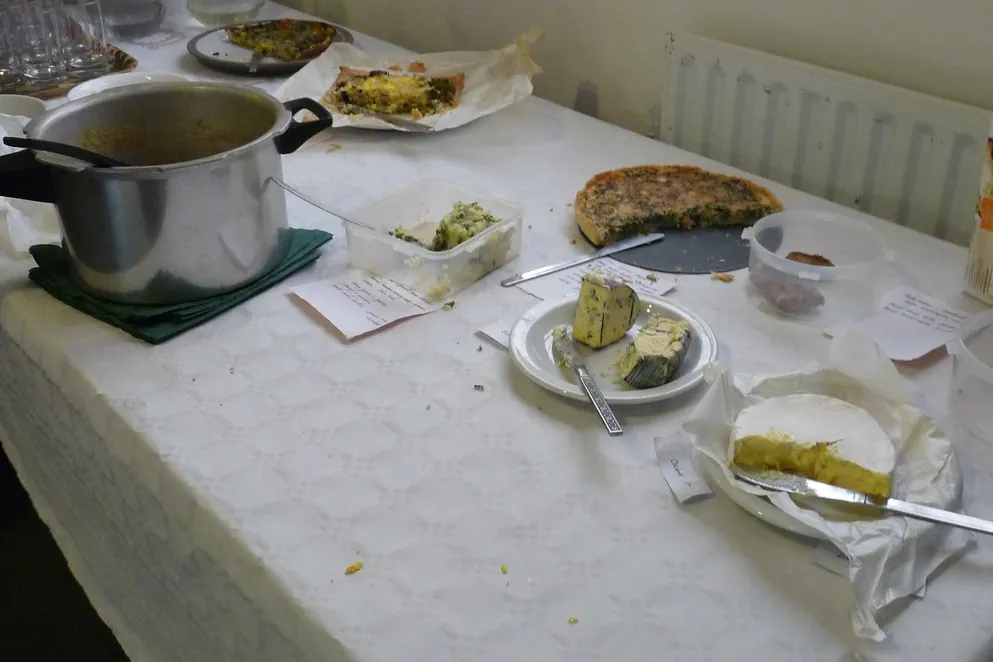
Loneliness and money worries feed each other. When heating is rationed, people stay in one room, stop inviting friends round and lose the everyday conversations where problems usually get mentioned early. Our warm spaces and cafés are deliberately relaxed: you can read the paper, charge your phone, play a board game or just sit. Nobody has to explain why they are there. Volunteers are trained to notice when someone seems to be carrying more than they are saying, and to offer, gently, a chat with an adviser.
The same thinking runs through our social activities, from soft play and family fun days to Christmas parties and day trips. Families on low incomes tell us that what hurts is not only going without, but feeling unable to give their children the experiences other families take for granted. A free day out does not fix that, but it is often the day a parent first feels able to ask for help with everything else.


Growing skills, routine and confidence
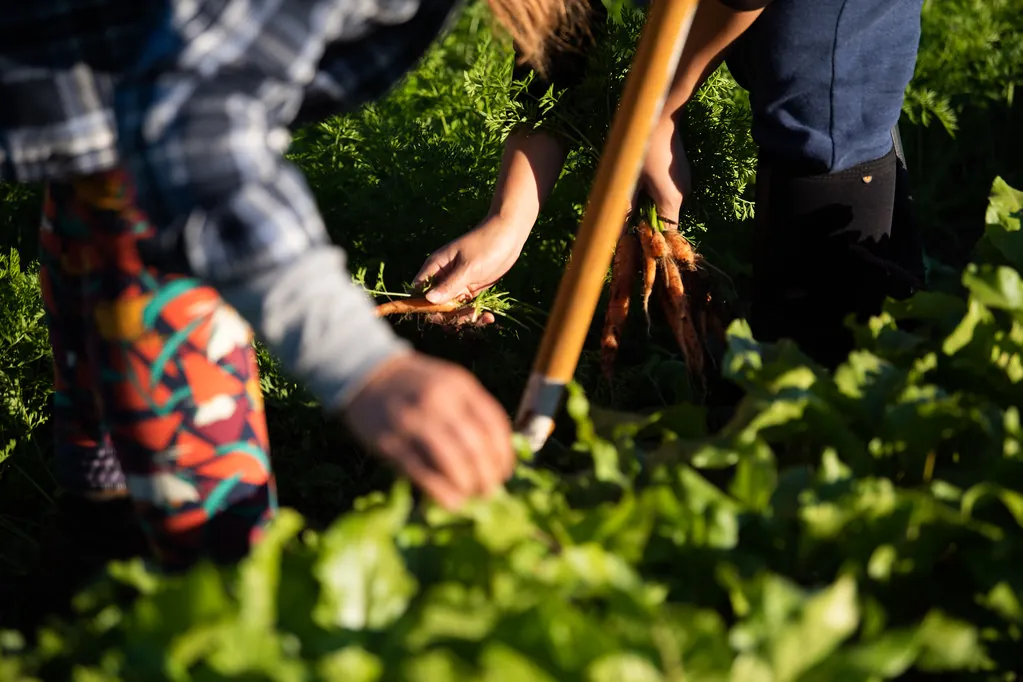
Crisis support keeps people afloat; training and shared work help them swim. Our growing project and community gardens are a good example. Planting, weeding and harvesting give a reason to get out of the house at the same time each week, a group to belong to and food to take home. People who would never sign up for a “wellbeing course” will happily spend a morning arguing about the best way to grow onions.
The same principle shapes our training. Reading groups help adults who left school without confidence in reading to tackle letters, forms and stories at their own pace. Radio training gives young people a microphone, a deadline and the experience of working as a team. Financial wellbeing sessions cover budgeting, avoiding high-cost credit and building a small emergency fund. Many volunteers start with one of these and find they have more to offer than they thought.
Volunteering: what it is really like
Volunteers serve in the cafés, sort and pack food, welcome people at centres, help in the gardens, drive for family trips and support our advisers with admin. You do not need special qualifications: we provide training in listening, confidentiality, safeguarding and keeping good boundaries, and you will always work alongside someone experienced. Most roles take a few hours a week, and we plan around caring responsibilities, health and work. If you are wondering whether it is for you, read about volunteering with Freedom and come and see a session first.
For churches and community groups
Freedom started in a church hall, and we still believe local churches and community groups are often best placed to notice who is struggling on their streets. If your group would like to do more, we can help you open a support centre, host an online advice centre where residents speak to trained advisers by video, or sponsor a member through the Freedom Development Course. Groups that run a centre with us receive full training, insurance and access to a professional adviser when a case needs specialist knowledge, so volunteers never have to carry a difficult situation alone.
Common questions
Do I have to be a Christian or go to church to get help?
No. Freedom is a Christian charity, and our faith is the reason we do this work, but support is open to everyone regardless of belief, background or circumstances. Nobody will be asked about their faith or expected to take part in anything religious.
Does it cost anything?
Advice, cafés, warm spaces and family food parcels are free. The food pantry asks for a small contribution in exchange for a much larger basket of groceries, which helps keep it running.
What should I bring to an advice appointment?
Any letters about benefits, debts, rent or council tax, a recent bank statement and some form of ID if you have it. If you cannot find everything, come anyway; we can work out the rest together.
Can I ask for help on behalf of someone else?
Yes. Friends, family members and professionals often make the first contact. With the person’s permission we can then talk to them directly and agree what support they want.
How can I support Freedom if I cannot volunteer?
Donations of food or money, fundraising, sharing our posts and telling people about our cafés all help. A gift of £10 can fund a family food parcel and £30 helps cover a benefits advice session.
Our client testimonials
“Freedom is like a big family, the love they have for each other is genuine”
Community member
“Freedom has help me get back on my feet after the death of my mother”
Community member
“Coming to the café and reading group has given me more confidence”
Community member
Pictures from our journey