
A useful approach to Food planning guide is patient, practical and shaped by the people who use it. Freedom recognises that food security and shared meals can look different from one household or group to another. Clear language and flexible choices help people decide what would be most useful now.
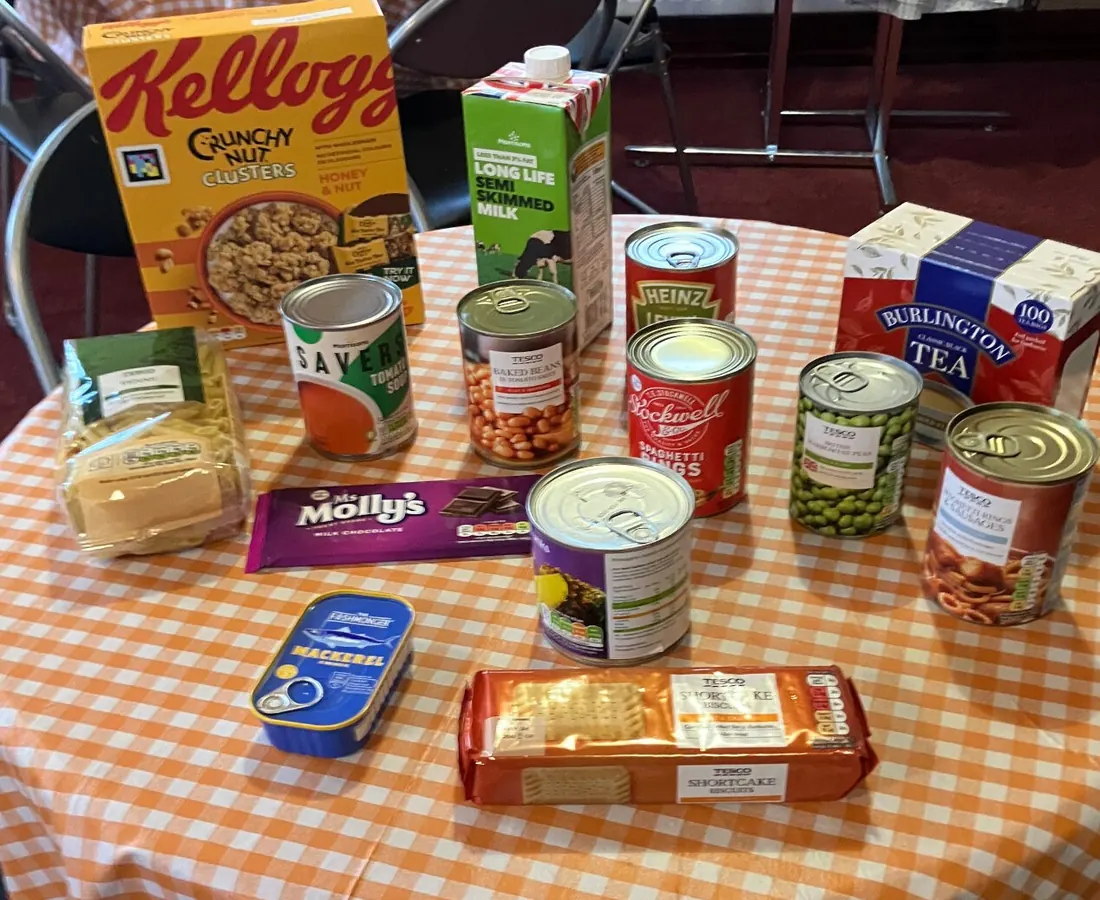
The practical details matter. People may want to know what a session is for, whether a group feels welcoming, what preparation is useful or how to ask for another route. Explaining those details helps reduce uncertainty and makes it easier to take part in a way that respects personal circumstances. On this page, that detail is considered through Food planning guide, so the reader can connect the information with a practical situation.
Start with clarity
Food planning guide can begin with one clear question and a calm explanation of the available choices.
Choose a useful route
Explore a practical action connected with food security and shared meals, at a pace that suits the person or group. For Food planning guide, that means a route that can be used at a comfortable pace.
Keep the connection open
Return to Food planning guide when circumstances change, or follow a related page for a different kind of support.
People using Food planning guide may be balancing work, caring, money worries, health or a change in routine. A helpful response recognises those pressures and avoids adding unnecessary steps. Small adjustments to timing, language, access or follow-up can make food security and shared meals more usable.
A clear follow-up keeps the work grounded. People should know what they can try next, where to return with a question and when another organisation is better placed to help. That rhythm makes Food planning guide useful beyond the first visit.
Volunteers and local groups can strengthen Food planning guide by making the welcome consistent. A calm introduction, a clear explanation and a willingness to listen often matter as much as the activity itself. Partners bring different experience, so responsible coordination helps each contribution support food security and shared meals without blurring roles.
Practical ways to begin
- Use the information about Food planning guide to prepare a question in your own words.
- Choose one activity, conversation or resource connected with food security and shared meals.
- Ask for a clearer explanation if a process or phrase does not make sense.
- Share only the personal details needed for the next step and keep privacy in mind.
A practical plan for Food planning guide might begin with one manageable action: attend, ask, read, practise or connect. Choosing a small action makes it possible to learn from experience and adjust the route. It also keeps food security and shared meals grounded in what people can realistically do now.
A good experience with Food planning guide should leave people with more clarity, not more paperwork. The next action can be written down in plain language, checked for practicality and revisited when circumstances change. This approach respects both independence and the value of support.
The next step can be different for every reader. Some will want a direct service, some will look for an activity and others will be planning something for a group. The surrounding Freedom pages make it possible to move from Food planning guide towards the kind of support that fits.
At a glance
| Stage | What helps | Possible result |
|---|---|---|
| Notice | Identify the question behind Food planning guide | A clearer starting point |
| Explore | Compare options for food security and shared meals | A realistic choice |
| Continue | Use a related Freedom page or conversation | Confidence to take the next step |