


In Partnership with local community partners, the Project also runs an allotment to support and encourage people to grow their own fruit and vegetables. The aim is to build peoples self-confidence.
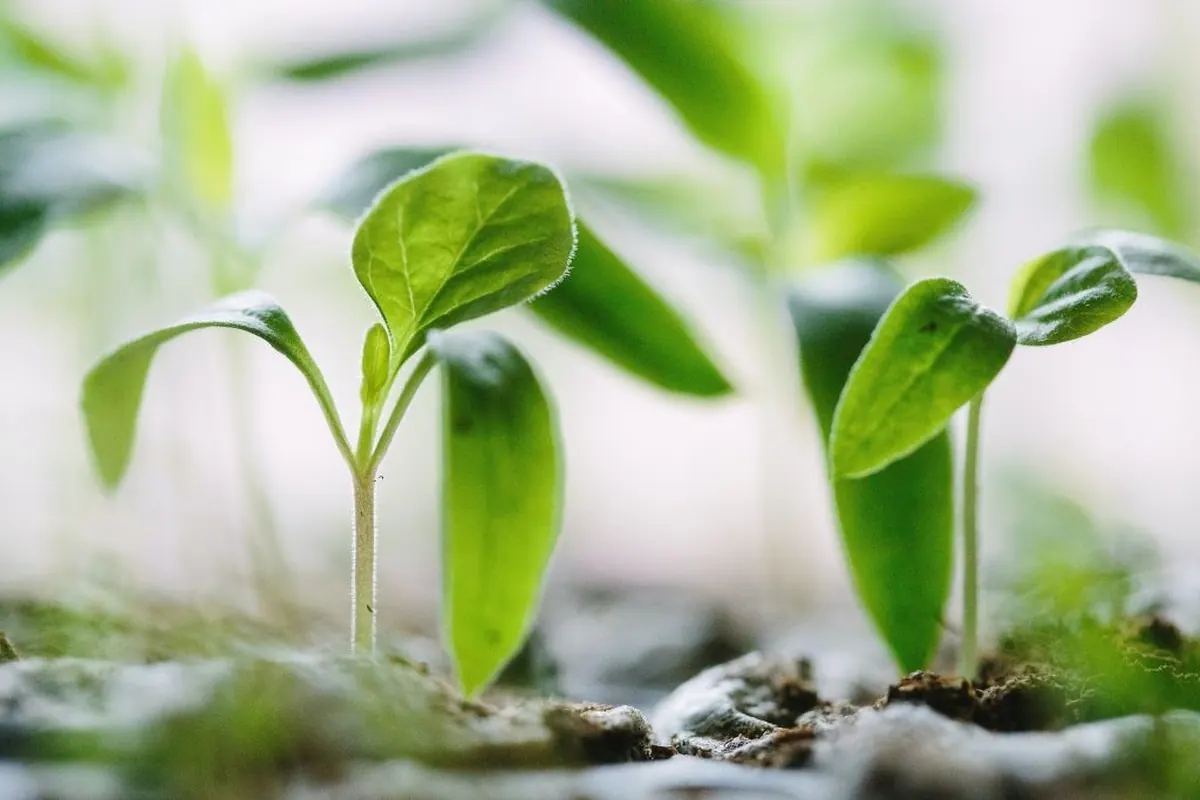
In Partnership with local community partners, the Project also runs an allotment to support and encourage people to grow their own fruit and vegetables. The aim is to build peoples self-confidence.
An allotment gives people something to look after and a reason to come back each week. Seeds sown in spring need watering, thinning and protecting from slugs, and that steady routine can help someone who has lost work, is recovering from illness or feels cut off from others. Seeing a crop through from seed to plate is a simple, visible achievement, and that is where much of the confidence comes from.
Nobody is expected to arrive as an experienced gardener. A first visit might involve a walk round the plot, a cup of tea and a small task such as pulling weeds or picking beans. Over time people learn how to prepare soil, when to sow different crops and how to spot common problems such as blight, aphids or bolting lettuce, picking up skills they can use at home.
Working side by side often makes it easier to talk. While planting onions or clearing a bed, people may mention that money is tight, that they are struggling with a benefits claim or that the fridge is nearly empty. Those conversations can lead to the wider Freedom support team, including benefits checks, debt help and family food parcels, without anyone having to ask for help across a desk.
Fresh produce from the allotment can also reduce food costs for the people who grow it. Learning which crops give the best return for the space, such as runner beans, potatoes, kale and herbs, and how to store or freeze a surplus helps food go further. Simple cooking ideas shared on the plot mean vegetables get eaten rather than wasted.
If you would like to take part, get in touch through the contact page and mention the growing project. Let us know if you have any access needs, health conditions or limits on what you can lift, so a suitable task can be ready. Wear clothes and shoes you do not mind getting muddy. Volunteers with gardening experience are welcome to offer their skills too.
Growing work also creates space for learning at an unhurried pace. People can share practical knowledge, ask questions about food or join a task that matches their energy. The value is not measured only by what is harvested. Regular contact, shared responsibility and the chance to contribute something small can strengthen confidence and connection across the wider community.
Shared growing can support many kinds of contribution. Someone might prepare a bed, learn about seasonal food, help with watering or simply spend time in a familiar place. Organisers can make the invitation clearer by explaining tools, access, weather arrangements and how people can pause. Practical detail helps the social value of the project reach more residents.
Growing projects also make room for knowledge to move between generations and experiences. Someone who knows about planting can share that skill, while someone else may bring ideas about cooking, budgeting or organising a group. The shared activity creates useful conversation without requiring people to explain their whole situation before they belong.