
Not everyone can get to a support centre during the day. Work, caring responsibilities, poor health, the cost of a bus fare or simply living in a village without a nearby centre can all get in the way. Freedom's online advice centres, hosted by churches and community groups, connect people with the same kind of help on offer face to face: someone to listen, a check on benefits and money, and a route to specialist advice.
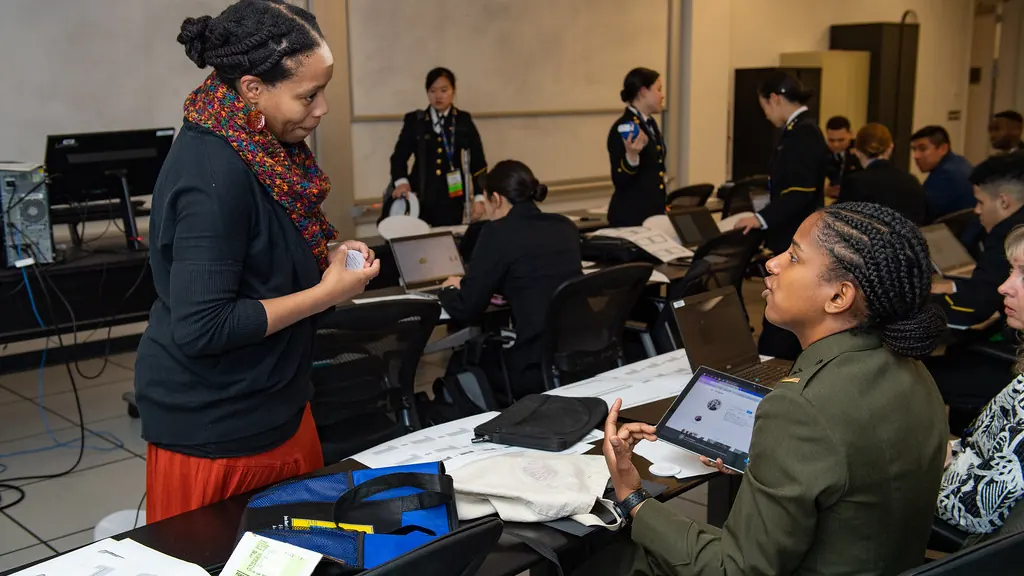
A virtual centre usually runs from a familiar local room, such as a church hall or community building, with a host who welcomes you and helps you connect to an adviser by video or phone. That means you get a friendly face in person and a trained adviser on the screen. If you are uncomfortable with technology, the host can set things up for you, so you do not need your own laptop or data.
Preparing for your session
Before your session, jot down the main thing you want help with and any deadlines you are facing, such as a date on a court letter or a benefit appointment. Have your paperwork nearby, including recent bank statements, benefit letters and any bills that are worrying you. If you are joining from home, find a quiet spot where you can talk privately and check that your phone or device is charged.
When online advice fits
Online advice suits many everyday questions, such as working out whether you could claim Universal Credit, Pension Credit or Council Tax Reduction, understanding a letter, or starting to deal with debts. Some situations are better handled in person, for example if you need help filling in a long form like a PIP application or if you find video calls stressful. If so, the adviser can arrange for you to visit a face-to-face centre instead.
Agreeing what happens next
One conversation rarely sorts everything. After your first session you will normally agree what happens next, whether that is gathering a missing document, waiting for a decision or booking a follow-up. Make a note of what you agreed and the name of the person you spoke to. If something changes in the meantime, such as a new letter arriving, get back in touch rather than waiting for the next appointment.
Privacy matters just as much online as in a room. Advisers will explain how your information is stored and who can see it, and they will only share details with others, such as a creditor or the council, with your permission. If someone else is in the room with you at home, it is fine to ask to pause or call back at a better time. Never share bank passwords or full card details with anyone during a session.
Some people use the online centre as a first step and then move to face-to-face support, while others prefer to stay remote throughout. Both work. Freedom also has support centres in places such as Clowne, Shirebrook, Renishaw, Staveley, South Normanton and Warsop, and the free cafés offer a relaxed way to meet the team over a cup of tea before discussing anything personal.
If you need food urgently while your money problems are being looked at, say so during your session. A family food parcel gives a household emergency food for about three days, and families can have as many as they need while the support team works on benefits and debt. The adviser can explain how to collect one from a local centre or arrange the most practical option for you.
Before and after your session
- Find out where your nearest hosted online centre runs, or ask whether a phone appointment would suit you better.
- Write down your main question and any deadlines, and keep letters, statements and benefit details close to hand.
- Test your camera, microphone and internet connection a little before the session, or ask the host to help.
- Note the next steps you agree at the end, including any documents to send and when you will hear back.
If the connection drops part way through, do not worry. Advisers are used to it and will usually try calling back or rearrange the session. It helps to give a phone number at the start so they can reach you quickly. If you are struggling with data or a poor signal at home, a hosted centre with Wi-Fi can be a more reliable place to join from.
Churches and community groups that would like to host an online advice centre do not need to be experts in benefits or debt. Freedom provides full training, insurance, access to a professional adviser and a support system, so the host's role is to offer a warm welcome, a private space and help with the technology, while trained advisers handle the detailed casework.
Online support is open to everyone, whatever their faith or background, and there is no charge. If you are helping a relative or neighbour who finds technology difficult, you are welcome to sit with them during the session, as long as they are happy for you to be there and to hear what is discussed.
Online advice step by step
| Stage | What helps | Possible result |
|---|---|---|
| Prepare | Note your main question, deadlines and paperwork | A focused first session |
| Talk it through | Discuss benefits, letters or debts with an adviser | Answers or a face-to-face referral |
| Follow up | Gather documents, await decisions or book again | A note of agreed next steps |