
A shared garden is one of the easiest places to belong. You do not need to know anyone, have any gardening knowledge or talk about why you have come. There is always a job to do, whether that is weeding a bed, filling watering cans or sowing seeds, and conversation tends to happen naturally while hands are busy. For people who feel isolated or low, that gentle start can matter a great deal.
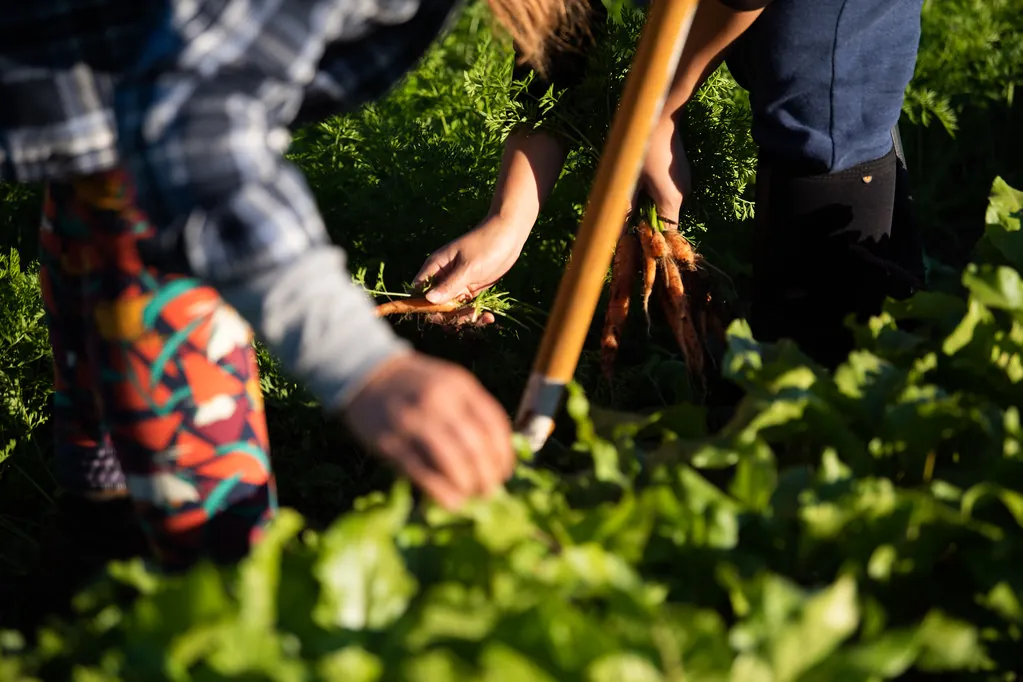
Growing together also links to Freedom's wider work on food and money. Fresh vegetables picked from a shared bed can stretch a tight food budget, and talking about what to cook with a glut of courgettes often leads to swapping cheap recipes. Some people who first come to dig later mention a worry about bills or benefits, and can be pointed towards the support team.
What to expect at a session
Before joining in, it helps to know what to expect. Sessions are usually informal, with someone experienced explaining the task for the day and showing how to use any tools safely. Wear old clothes and sturdy shoes, bring a drink and a waterproof, and say if you have any health condition, allergy or mobility need so tasks can be adjusted.
A task for everyone
There is a role for most people in a garden. Some enjoy heavy digging and building compost bays, others prefer potting on seedlings at a table, labelling, harvesting or keeping a record of what was planted where. Raised beds and seated tasks make growing possible for people with limited mobility, and children can help with sowing, watering and spotting minibeasts under supervision.
Gardening through the seasons
Gardens change through the year, and so does the work. Winter is for planning, tidying and repairing; spring for sowing; summer for watering and picking; autumn for clearing beds and saving seed. If you drift away for a while, you can come back in a new season and find something different to try. Nobody keeps a register of who missed a week.
Gardening can be adapted for people with low energy, pain or anxiety. Short tasks with breaks, shade on hot days and a clear place to sit down make a real difference. It is fine to come for half an hour, to watch before joining in or to choose a quiet corner. Physical activity outdoors often improves sleep and mood, but nobody should push beyond what feels manageable.
Basic safety keeps everyone well. Gloves protect against cuts and soil-borne infection, tetanus vaccinations are worth checking for regular gardeners, and hands should be washed before eating. Produce should be rinsed thoroughly before cooking or eating raw. Tools are put away after use so nobody trips, and any accident, however small, should be mentioned to whoever is leading the session.
Volunteers who lead or support sessions help most by being reliable and welcoming. That means arriving on time, explaining tasks simply, pairing newcomers with someone friendly and noticing who might be struggling. Where children or adults who may be vulnerable take part, the usual safeguarding practices apply, and some roles may require a DBS check. A short chat at the end about next week keeps people coming back.
Your first garden session
- Ask the session leader what is being grown at the moment and which task would suit a first visit.
- Bring gloves, sturdy footwear, a drink and layers for changeable weather, especially in spring and autumn.
- Try one simple job, such as watering or sowing a tray of seeds, before committing to anything bigger.
- Take home a little of the harvest and ask others how they cook it, so nothing goes to waste.
If you have never grown anything, start with quick and forgiving crops. Salad leaves, radishes, peas and herbs grow fast and give an early sense of success. Potatoes and beans are reliable for beginners, while courgettes produce more than most households can eat. Learning on a shared plot first means you can ask questions before trying a window box or container at home.
Growing on a budget is very possible. Seeds can be saved from one year to the next, swapped with other growers or bought cheaply; yoghurt pots and egg boxes make good seed trays; and kitchen scraps become compost. Sharing tools and knowledge in a group avoids the cost of buying everything new, which matters when household money is already stretched.
Churches and community groups thinking about starting their own growing space should begin small. One or two raised beds near an existing café or meeting room are easier to manage than a large plot. Think about water access, secure storage for tools, insurance, accessibility and who will water during holidays. Linking the garden to a café or food support makes it part of everyday community life.
A year in the garden
| Stage | What helps | Possible result |
|---|---|---|
| First visit | Learn the day's task and how to use tools safely | Confidence to join in |
| Find your task | Dig, pot on, harvest or keep records | A role that suits your ability |
| Seasons | Plan, sow, water, pick and save seed | Something new to try each season |