
Many churches and community groups already have the two things an advice centre needs most: a room and people who care about their neighbours. Freedom works with groups like these to set up face-to-face support centres or online advice centres, so residents can get help with benefits, debt and money worries close to home instead of travelling into town.
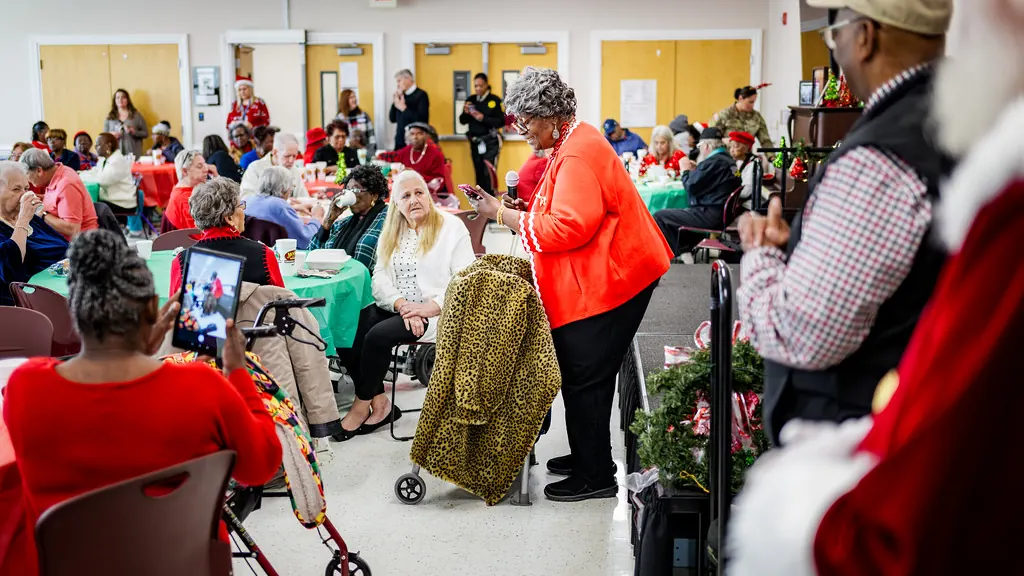
Your group doesn't have to become expert in debt or benefits. Freedom provides full training, insurance, access to a professional adviser and a support system, so volunteers can welcome people, take initial details and connect them with qualified help. That split of roles keeps advice accurate and stops well-meaning volunteers carrying responsibilities they haven't been trained for.
What your group can offer
Before anything is agreed, be clear about what your group can realistically offer: when your building is free, whether there is a private space for confidential conversations, whether there is reliable wifi for an online centre and how many volunteers can commit to regular sessions. An honest starting point makes the centre dependable for the people who come to rely on it.
Choosing a centre model
Some groups host a face-to-face centre where residents call in; others run an online advice centre, where a volunteer helps people connect with an adviser by video or phone. A free café with tea, cake and a listening ear can sit alongside either and gives people a gentle way in.
Ongoing support from Freedom
Once a centre is running, the partnership continues. Freedom's support system is there when a volunteer meets a situation they haven't seen before, when a rota needs rethinking or when a new team member needs training. Keeping in regular contact helps the centre stay safe, consistent and connected to the wider work.
Safeguarding matters from day one. People visiting an advice centre may be in debt, grieving, unwell or under pressure at home. Hosting groups are expected to follow sensible safeguarding practice, keep personal information confidential and know who to contact if they are worried about someone. Some volunteer roles may need a DBS check, depending on what they involve.
Groups often ask whether they need to share Freedom's Christian faith. Freedom grew out of a Methodist church mission and aims to show the love of Christ in action, but help at every centre is offered to everyone regardless of faith. What matters most in a hosting group is a shared commitment to treating every visitor with respect and care.
A good centre usually starts small. One regular session a week, run reliably, is far more useful than an ambitious timetable that can't be staffed. Residents learn they can count on the door being open, and your team gains experience before deciding whether to add more sessions, a food offer or a café.
Preparing your group to host
- Raise the idea of hosting an advice centre with your church council, trustees or committee, and agree who will lead conversations with Freedom.
- List the rooms, times, wifi and private space you could offer, so options can be discussed realistically from the start.
- Identify two or three volunteers who could commit to a regular session and are willing to complete Freedom's training.
- Contact Freedom to talk through whether a face-to-face or online advice centre would suit your community best.
Freedom already supports face-to-face centres in communities such as Clowne, Shirebrook, Renishaw, Staveley, South Normanton and Warsop, alongside online centres hosted by churches and groups. Each new centre extends that network, so residents in more villages and towns can find help without long journeys or bus fares they can't afford.
Hosting brings benefits for your group too. Volunteers gain training and confidence, your building becomes known as a place where people are helped, and you join a wider network of groups facing similar questions. Many find the centre strengthens their other activities, such as toddler groups, lunch clubs or food collections, because people already know and trust the venue.
If your group isn't ready to host a centre, there are other ways to work together. You could collect for family food parcels, promote the free cafés and advice centres in your newsletter or notices, or encourage members to volunteer. Every connection helps local people discover that free support with money worries is available nearby.
Hosting a centre with your group
| Stage | What helps | Possible result |
|---|---|---|
| Assess | Check rooms, wifi, private space and volunteer time | A dependable starting point |
| Choose a model | Face-to-face centre or online advice, perhaps with a café | A setup suited to your community |
| Stay connected | Use Freedom's support for training and new situations | A safe, consistent centre |