
How to Make Warm Spaces Welcoming, Safe and Useful focuses on the details that turn an open room into a dependable community resource. Warmth matters, but people also need to know when to come, where to sit, what support is available and how to leave without feeling watched. A good space is practical, calm and clear about its limits. It can offer company, information and a little breathing room without pretending to replace specialist services.
Give the room a clear purpose
Start by deciding what a visitor can do there. The answer might be to warm up, have a drink, meet other people, charge a device, ask for signposting or join an activity. The notice outside should use the same plain language as the website. State opening times, whether children are welcome, how accessibility questions can be answered and whether advice is available on every session or only on selected days. Clear expectations protect visitors and the people running the room.
Design the experience around dignity
- Offer a visible greeting without requiring everyone to explain why they came.
- Provide a quiet seat as well as a social table.
- Make refreshments and accessible facilities easy to find.
- Show related help without pressuring anyone to disclose personal details.
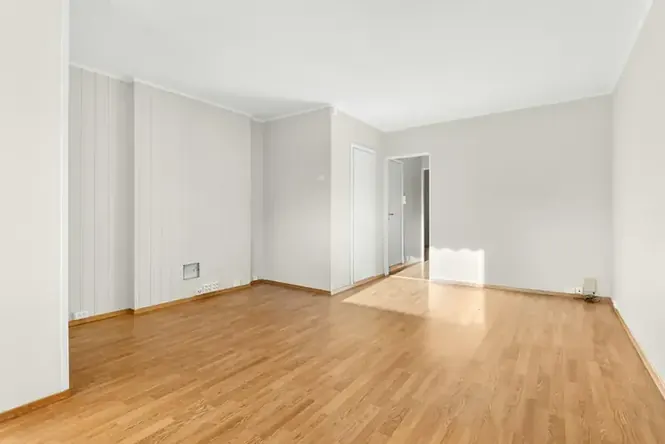
Some people want conversation; others need to sit quietly before they decide what to do. A choice of seating, a simple drinks station and a short explanation of the timetable can make the first visit less intimidating. The room should feel lived-in but not cluttered, with walkways kept clear for mobility aids, prams and people who need extra space.
Connect warmth with practical support
A warm space becomes more useful when it connects naturally to food poverty support, cost of living help and wellbeing. A noticeboard can list the next advice session, a local meal or a digital help appointment. Keep the list short and dated so visitors can tell what is current. A volunteer can offer to explain an option, but the decision to follow up should remain with the visitor.
| Planning area | Question to ask | Example action |
|---|---|---|
| Access | Can someone find and enter the room easily? | Publish times, directions and accessibility details. |
| Welcome | Can a visitor choose how to participate? | Offer social, quiet and activity-based options. |
| Continuity | What happens after a first visit? | Use a dated noticeboard and gentle signposting. |

Make safety visible and proportionate
Volunteers need a short induction, a named coordinator and a clear route for safeguarding concerns. They should know how to respond if someone is distressed, if a request falls outside the project or if the room becomes too busy. Safety does not require a harsh atmosphere. It can be communicated through a welcome notice, clear boundaries around photographs and a simple explanation that private conversations can be moved to a quieter place.
Plan a dependable weekly rhythm
A predictable timetable helps people build the space into their routine. Consider a quiet morning, a social session, a practical advice slot and an activity that welcomes families or older residents. The programme does not need to be busy every hour. Empty space can be useful when it gives someone time to rest. Review attendance alongside comments about noise, temperature, seating and accessibility, then make one small adjustment at a time.
Example session review
After a busy afternoon, the team might note that the welcome desk blocked the entrance, that a printed timetable was difficult to read or that people wanted a quieter corner. None of those observations requires a name. The next session can move the desk, enlarge the notice and reserve a table for quiet use. Practical learning like this improves the experience without turning visitors into case files.
It is worth planning for the moment when someone decides to leave. A clear closing time, a reminder about the next session and a simple route to urgent support can prevent uncertainty at the door. Volunteers should not pressure anyone to explain where they are going. A warm goodbye, an offer of a printed timetable and a visible contact route are enough. These small details help the space feel dependable, especially for people who are testing whether a new place is comfortable enough to visit again.
Keep the message simple
The strongest warm-space page says who the room is for, when it is open, what happens on arrival and what related help exists. It avoids dramatic claims and makes the next step obvious. For more connected guidance, visit how we help, referral partners or community events. A room feels welcoming when its practical details are as thoughtful as its tone.
For more connected guidance, visit how we help, referral partners or community events.