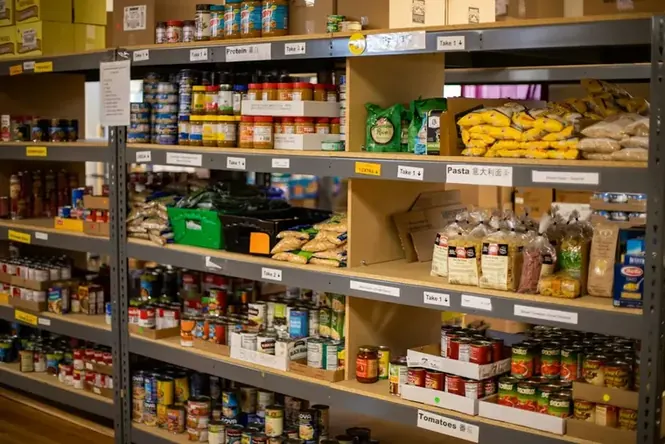
Planning a Community Food Response That Protects Dignity is about the decisions that shape a food project before the first parcel is packed. A useful response combines reliable stock with a respectful welcome, clear information and a realistic route into further help. The aim is not to create a perfect service overnight. It is to make each visit understandable, reduce avoidable waiting and give people choices wherever the budget and setting allow.

Start with a clear promise
Write down exactly what the project provides: an emergency parcel, a community meal, a low-cost shop, a cooking session or a conversation about other support. These are different experiences and should not be blurred together. Publish opening times, whether a referral is required, what dietary information can be discussed and what happens if supplies run low. Clarity protects visitors from a wasted journey and gives volunteers a shared answer when demand changes.
Design the experience around dignity
- Use plain language and avoid asking people to prove hardship repeatedly.
- Offer a quieter route for sensitive conversations.
- Show choices without making anyone justify a preference.
- Keep records minimal, accurate and proportionate.
Dignity is also practical. Letting someone choose between suitable items can be more respectful than handing over a fixed box. A short explanation of ingredients helps households manage allergies, faith requirements and limited cooking facilities. Where choice is not possible, explain the reason plainly and offer the next available option.
Plan stock and referral routes together
Stock planning should reflect the way people actually cook. A balanced parcel may combine a staple, a protein, a fruit or vegetable option and something easy to prepare. A project can track broad categories rather than recording personal stories. When an item is unavailable, a clear alternative prevents volunteers from improvising at the door. Links to food poverty support, cost of living help and wellbeing make it easier to offer a relevant next step.
| Planning area | Question to ask | Example action |
|---|---|---|
| Access | Can people use the service without confusion? | Publish times, location and referral routes clearly. |
| Choice | Can households select suitable items? | Offer a small menu of equivalent options. |
| Continuity | What happens after the first visit? | Offer signposting to advice, groups or partners. |

Make the volunteer rhythm dependable
Volunteers need a short induction, a food-safety reminder, a safeguarding route and a named person to ask for help. A simple shift plan can cover receiving donations, checking dates, stocking shelves, welcoming visitors and closing the room. It is helpful to agree a script for difficult moments: I cannot solve that today, but I can help find the right next step is honest and kind. The team should also know when to pause distribution, call a coordinator or signpost to urgent help.
Review the service without surveillance
Numbers can show whether the project is reaching people, but they should never become a reason to collect more personal information than necessary. Count parcels, meals, sessions and broad stock shortages. Add anonymous learning about access, waiting time, dietary requests and referral gaps. A weekly ten-minute review is enough to spot a recurring problem. If visitors repeatedly ask for fuel support or advice with forms, the answer may be a partnership rather than a larger food parcel.
Example weekly review
On Friday, a small team might check what ran out first, which shift needed extra support, whether anyone waited too long and which signposting question came up most often. The notes can stay brief and anonymous. The following week, the team can alter the order of the shelves, publish a clearer notice or invite a partner to one session. Small changes build trust because visitors notice when the service learns.
A simple handover keeps the work consistent between shifts. Record stock levels, a change to the timetable, a safety issue or a partner update in a shared operational note, but leave personal stories out of it. The incoming team then knows what has changed without needing to ask visitors to repeat information. This is especially useful when a project works across several venues or depends on volunteers who attend on different days. Consistency is part of dignity: people should receive the same clear explanation whether they arrive early, return later or are referred by another service.
Keep the message simple
A strong food-support page explains who the service is for, what happens on arrival, what information is needed and what other help exists. It avoids dramatic language and does not use someone else's story as decoration. For more connected guidance, visit how we help, referral partners or community events. The result is a response that feels organised without becoming impersonal.
For more connected guidance, visit how we help, referral partners or community events.