
Freedom began in 2008 as a Methodist church mission fund and became an independent charity in 2011. Our aim has stayed the same throughout: to show the love of Christ in action. That shapes how we work, but it never decides who we help. Support is open to everyone, whatever their faith or none, and nobody is asked to share our beliefs before they can sit down with a cup of tea or talk through a problem.
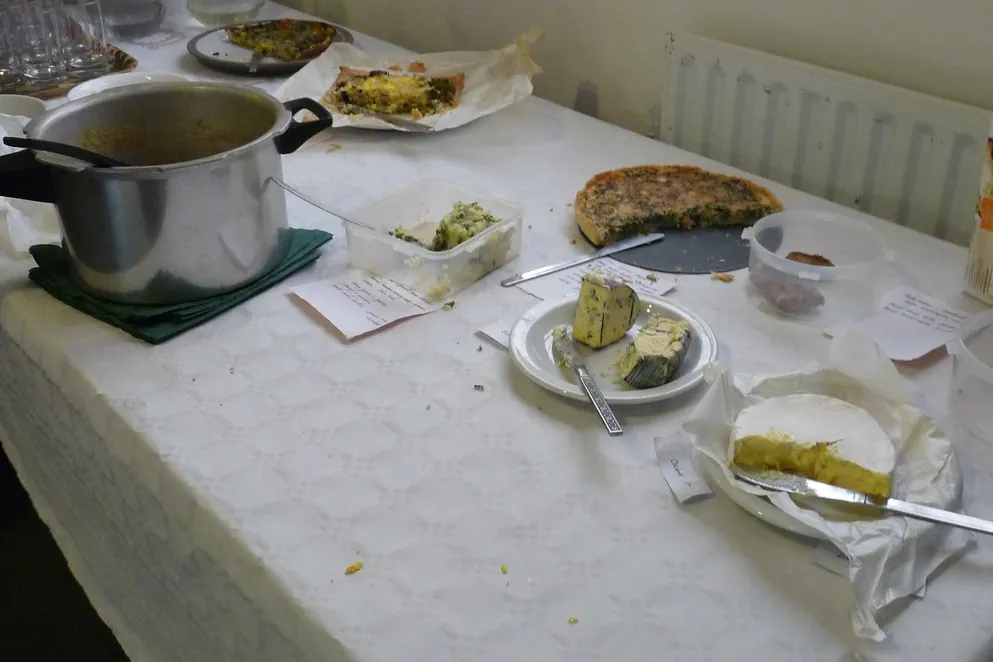
Being non-judgemental means we start from where someone is, not from how they got there. Debt, rent arrears, a benefit sanction or an empty cupboard can happen to anyone, often after a job loss, illness, bereavement or relationship breakdown. We do not ask people to prove they deserve help or to explain every decision they have made. We ask what is happening now, what is most urgent and what would make the next week easier.
Clear and honest explanations
Clarity is a form of respect. When someone comes to us, we explain in plain words what we can do, what we cannot do and what will happen next. If a benefit check or a debt conversation is needed, we say how long it might take and what information will help. Nobody should leave a conversation with us feeling more confused than when they arrived.
Four foundations in practice
Our values sit behind four foundations: good support, good housing, good training and good employment. In practice that means a person might start with a food parcel or a visit to a free café, then move on to benefits advice, a reading group or a training course. We help people choose the route that fits their situation, rather than steering everyone into the same service.
A welcome that lasts
Welcome is not a one-off. People can come back to a café, ring again with a new letter or return months later when circumstances change, and they will not be treated as a nuisance. Keeping the door open is how trust builds, and it is often on the second or third visit that someone feels able to mention the problem that matters most.
Many of the people we meet are juggling several pressures at once: caring for a relative, working irregular shifts, managing a health condition or dealing with a cut in income. We try not to add to that load. That might mean explaining a form slowly, offering a quieter time to talk, or helping with one priority debt first rather than tackling everything in a single meeting.
Honesty matters as much as kindness. If another organisation is better placed to help, for example with a specialist legal issue or a mental health crisis, we say so and help the person make that contact. We would rather point someone to the right place than hold on to them because it looks good for us. Clear follow-up means people always know who is doing what.
Volunteers carry these values into every café, centre and event. That looks like greeting people by name, keeping conversations private, not offering opinions on someone's choices and passing concerns to the right person when safeguarding is an issue. Churches and groups that host a Freedom centre receive full training, insurance and access to a professional adviser, so the same welcome is offered wherever someone walks in.
Making the most of a visit
- Pop into one of our free cafés for a drink and a chat, with no need to explain your situation straight away.
- Write down the one or two things worrying you most, such as a letter, a bill or a benefit change, before you visit.
- Ask us to explain anything that sounds unclear, including what we can help with and what we would refer elsewhere.
- Tell us if you need an adjustment, such as extra time, a quieter space or someone to help read paperwork.
If you want to see our values in practice, the simplest starting point is a visit to a free café or a face-to-face support centre. Tea, coffee, squash, biscuits and cakes are free, and there is no form to fill in at the door. Many people come once just to look, then return when they feel ready to talk about money, food or housing.
Respect also means not burying people in paperwork. When a benefits check or debt plan is needed, we ask only for the documents that make a difference, such as recent letters, statements or award notices, and we explain why each one matters. Personal information is kept confidential and shared only with consent or where there is a safeguarding duty to do so.
Our values apply to supporters as well as to people seeking help. Donors can expect to know how gifts are used, volunteers can expect proper training and support, and partner churches can expect a working relationship based on honesty. Whether you come for advice, to give time or to explore hosting a centre, you should be treated with the same courtesy and straightforwardness.
Our values in practice
| Stage | What helps | Possible result |
|---|---|---|
| Clarity | Plain explanations of what we can and cannot do | Knowing what happens next |
| Right route | Choose food, advice, reading or training to fit | Support matched to your situation |
| Open door | Return with new letters or changed circumstances | Trust built over several visits |