
Freedom began on 16 September 2008 as a mission fund within the Methodist church, set up by people who wanted their faith to make a practical difference to neighbours facing poverty. The first public event, Freedom Community Week, followed in 2009. What started as a church initiative grew steadily as more people came forward for help with food, debt and benefits, and as more volunteers offered their time.
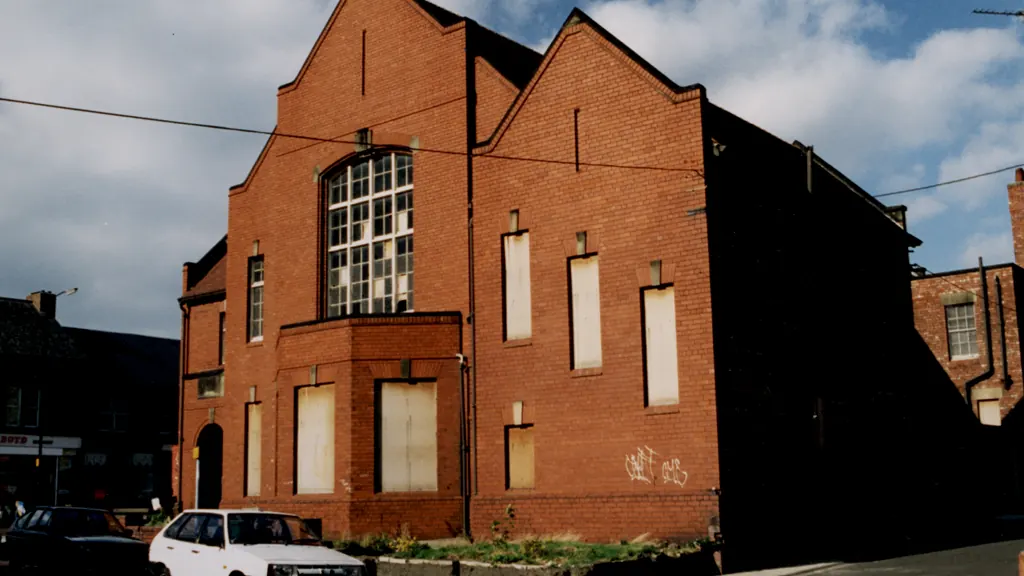
By 2011 the work had grown enough to become an independent charity, which gave Freedom its own governance and the freedom to work with churches and community groups across North Derbyshire and North Nottinghamshire. In 2019 the charity moved into its own building, giving staff and volunteers a settled base. The aim has stayed the same throughout: to show the love of Christ in action, with help offered to everyone regardless of faith.
Four foundations from the start
Freedom's history is easiest to understand through the four foundations that still guide the work: good support, good housing, good training and good employment. Support came first, through cafés, food parcels and advice on debt and benefits. The other three grew out of what people kept telling volunteers: that a crisis is hard to escape without a stable home, new skills and a route into paid work.
History you can use today
Each part of the history connects to something you can use today. The free cafés, which have run for around ten years, are still a relaxed place to start. Face-to-face support centres in communities such as Clowne, Shirebrook, Renishaw, Staveley, South Normanton and Warsop offer advice in person, while online advice centres hosted by churches and community groups reach people who cannot easily travel.
From visitors to volunteers
Many people who first came to Freedom for a food parcel or help with a debt letter later returned as volunteers, café regulars or supporters. That pattern has shaped the charity: people are welcome to come back whenever circumstances change, whether that is a new bill, a change to their Universal Credit or simply wanting some company. Nobody needs to explain why they are returning.
Over the years Freedom has supported 2,575 people, handed out around 4,000 food parcels and helped with more than £4.7 million of debt. Behind those figures are ordinary conversations: someone dealing with priority debts such as rent and council tax before anything else, a family getting emergency food for a few days while their benefits were checked, or a pensioner finding out they could claim Pension Credit.
The social side has always mattered too. Family fun days, Christmas parties, day trips and soft play sessions grew from the same belief as the advice work: that poverty is not only about money but also about missing out. These events give families a day without worrying about cost, and they often help people feel comfortable enough to ask about other support later on.
Training and employment are the more recent chapters. A reading support group, radio training for young people and the Freedom Development Course, which prepares development workers for churches and communities, all came from the foundation of good training. Two small businesses now operate under the employment strand, with a long-term vision of ten companies in ten years, and the charity currently runs one house with an ambition to grow its housing work.
Exploring Freedom's story
- Visit a free café near you for a cup of tea and ask the volunteers how Freedom started in your area.
- Ask about the support centres if you need help with benefits, debt or emergency food today.
- Read about the four foundations to see how support, housing, training and employment fit together.
- If your church or group would like to host a centre, ask about the training, insurance and adviser support provided.
Churches remain central to how Freedom works. Because the charity began as a church mission fund, it understands how congregations operate and what they can realistically offer. A church or community group that runs a centre receives full training, insurance, access to a professional adviser and an ongoing support system, so volunteers are never left to handle complicated debt or benefit questions on their own.
Supporters have been part of the story from the beginning. A gift of £10 can provide a family food parcel, £20 can fund a family day trip and £30 can pay for benefits advice. If you are a UK taxpayer, adding Gift Aid to a donation lets the charity claim extra from HMRC at no cost to you, which goes a long way for a small local organisation.
The next part of Freedom's history depends on the people who take part now. That might mean volunteering at a café, praying for the work, giving regularly or simply telling a neighbour where they can get help. Each of these keeps the original idea alive: practical help, offered with kindness, close to where people live.
How Freedom has grown
| Stage | What helps | Possible result |
|---|---|---|
| Support | Cafés, food parcels and debt and benefits advice | Help through a crisis |
| Wider foundations | Housing, training and employment shaped by people's experience | A route beyond the crisis |
| Giving back | Former visitors return as volunteers or supporters | A welcome whenever circumstances change |